
Something curious is happening. Across countless conversations, conference rooms, and comment sections, a question keeps surfacing: Is social media dying? Not in the sense of shutting down the platforms themselves are still standing, still hosting billions of users. But something more fundamental may be shifting beneath our feet. The creative soul of these spaces, the authentic human storytelling that once made them magnetic, feels increasingly hollow. And in response, we're witnessing a quiet exodus toward something older, something more tangible: real places, real voices, and real connection.
The evidence is mounting. Facebook recorded zero growth in 2024, with experts predicting further decline as trust erodes. Nearly three-quarters of consumers worry they can no longer trust what they see online because of AI-generated content flooding every feed. Content creators are burning out, audiences are tuning out, and the algorithms that once promised to connect us now seem to be driving us into ever-smaller echo chambers. We're more "connected" than ever before, yet seven in ten young adults report feeling lonely most of the time.
This isn't a new story. We've lost trust in our gathering spaces before. Think back to the golden age of television, when entire nations would tune in simultaneously to the same show. The next morning, offices buzzed with conversation about what happened on Seinfeld or Friends the night before. These "water cooler moments" created shared cultural experiences that bound communities together across economic and social lines. But as television fractured into hundreds of cable channels, then thousands of streaming options, that communal experience dissolved. Today, you might love a show passionately, but the odds that your coworker has even heard of it are slim. The water cooler stands silent.
Social media promised to solve this fragmentation. It would be the new town square, the digital coffeehouse where we'd all gather to exchange ideas. For a brief, optimistic moment in the early 2010s, it seemed to work. But the town square model has a fatal flaw when run by corporations optimizing for "engagement": engagement means outrage, addiction, and algorithmic manipulation, not genuine human connection. Research shows that virtual communities don't match the positive impact on wellbeing that real communities provide. Online friendships lack the emotional weight of in-person ones they don't require showing up for people in the same visceral way, the acts of service that cement real bonds.
Now artificial intelligence threatens to complete social media's transformation from community space to content wasteland. By some estimates, more than eighty percent of online content will be AI-generated by the end of 2026. The platforms are drowning in synthetic posts, bot accounts, and algorithmically optimized emptiness. And audiences can tell. They're rejecting it. Ninety percent of customers emphasize authenticity's importance when choosing which brands to trust, yet forty-six percent trust a brand less when they discover it's using AI for what they assumed were human interactions. The imperfect, awkward authenticity of a real person sharing a real experience shot on their phone without perfect lighting has become more valuable than algorithmic perfection ever was.

The Gathering Spaces Past
To understand where we might be heading, we need to look back. Way back to the coffeehouses of seventeenth-century London, the cafés of Enlightenment Paris, the revolutionary meeting halls of early America. These weren't just places to grab a drink. They were the engines of cultural transformation.
When coffee arrived in London in 1652, it sparked a social revolution. English coffeehouses became known as "penny universities" because for the price of a cup of coffee, anyone could sit down, engage in debate, and access knowledge previously locked away in elite institutions. The absence of alcohol created an atmosphere conducive to serious conversation. Merchants sat beside philosophers. Writers debated with scientists. The Royal Society, Lloyd's of London, the stock exchange all emerged from coffeehouse conversations. King Charles II was so threatened by these spaces that he tried to ban them in 1675, fearing they enabled "false news" and political dissent. The ban lasted eleven days. The people had spoken: gathering spaces were too vital to suppress.
In Paris, coffeehouses like Café Procope became the beating heart of Enlightenment thought. Voltaire, Rousseau, Diderot they honed their revolutionary philosophies over coffee. During the French Revolution, Café de Foy hosted the call to arms for the storming of the Bastille. These spaces weren't passive venues. They were where revolutions were planned, where new ideas challenged old authorities, where democracy itself took shape. The historian Brian Cowan describes coffeehouses as "places where people gathered to drink coffee, learn the news of the day, and perhaps to meet with other local residents and discuss matters of mutual concern." Simple words for something profound: coffeehouses created public space at a time when political action and debate had begun to spill beyond the institutions that traditionally contained them.
This pattern repeated through the centuries. The cafés of Vienna survived everything except the Nazis (who favored beer halls but feared coffeehouses). The bistros of Paris persisted through war and revolution. In post-war Paris, Simone de Beauvoir and Jean-Paul Sartre debated existentialism at Café de Flore while Ernest Hemingway and F. Scott Fitzgerald crafted masterpieces at La Rotonde. Even in America, colonial coffeehouses in Philadelphia and Boston became gathering spots for the Sons of Liberty plotting revolution against British rule.
Then, somewhere along the way, we lost these spaces. The rise of suburban sprawl, car culture, and indoor entertainment pulled people away from communal gathering spots. Cities were redesigned around efficiency rather than human connection. Commercial chains replaced local establishments. Starbucks once positioned itself as a "third place" but gradually shifted toward drive-through culture, modified seating to discourage lingering, and now requires purchases for restroom access. The COVID-19 pandemic accelerated the decline, forcing isolation and normalizing remote work that kept people home. Meanwhile, the cost of living crisis made regularly visiting cafés, bars, or community spaces an unaffordable luxury for many.
The sociologist Ray Oldenburg gave these gathering spaces a name in 1989: "third places" neutral ground that's neither home (first place) nor work (second place), where people can gather casually, linger without obligation, and build community through spontaneous interaction. Research now shows that third places are essential to mental health, civic engagement, and democratic society. Yet they're vanishing. Americans who once spent 6.5 hours weekly with friends now spend thirty-seven percent less time doing so. The decline accelerated dramatically between 2014 and 2019, correlating almost perfectly with the rise of smartphone dominance and social media saturation.
The Hunger for Something Real
But here's where the story gets interesting. After more than a decade of social media dominance, something is shifting. People are tired. They're lonely. And they're starting to look for alternatives.
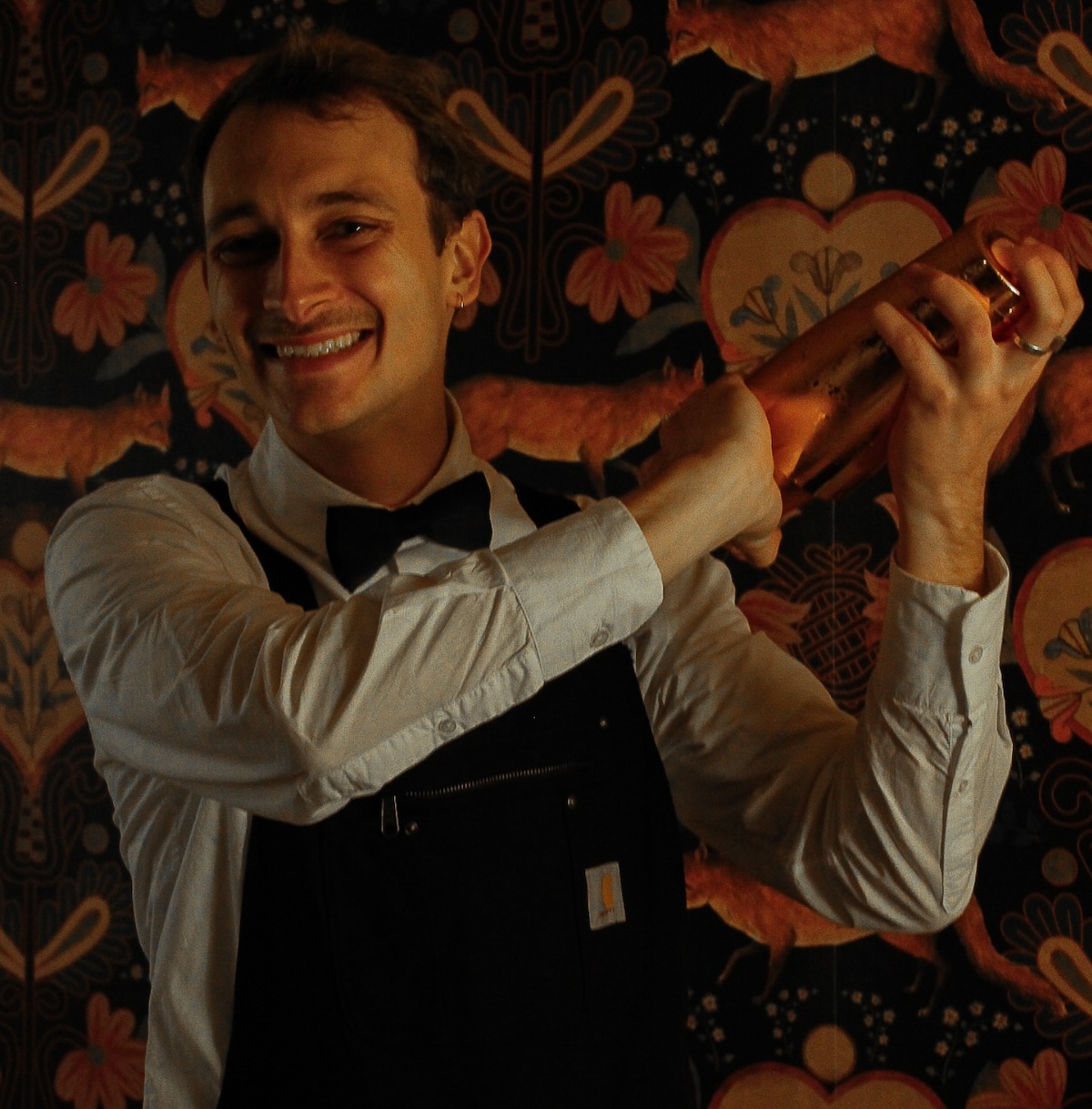
The newsletter boom is one signal. Platforms like Substack have enabled writers to build direct relationships with readers, bypassing algorithms entirely. Instead of optimizing for virality, these writers offer depth, personality, and genuine connection. Readers pay for newsletters not because they can't find free content elsewhere, but because they want to support authentic voices and be part of smaller, more intentional communities. Newsletter subscribers don't just consume — they respond, they discuss, they build relationships with fellow readers and writers alike. It's the coffeehouse conversation translated into inbox form.
Podcasting is another indicator. There are now over five million podcasts globally, up from just 550,000 in 2018. But the most successful ones aren't the perfectly produced, corporate-backed productions. They're the authentic ones, the conversational ones, the shows that feel like sitting down with friends. Educational podcasts have exploded — eighty-eight percent of listeners now say they tune in to learn something new. Podcasters are building communities through Discord servers, live events, and fan interactions that feel more like gathering in someone's living room than consuming mass media. The intimacy of voice, the lack of visual performativity, the sustained attention required — podcasting feels fundamentally different from scrolling through feeds.
Some platforms are recognizing this hunger. Ethical social media alternatives like Mastodon are growing, emphasizing chronological feeds, user control, and decentralized community governance over algorithmic manipulation and advertising revenue. They're still small compared to the giants, but they represent something important: proof that people want gathering spaces, not addiction machines.
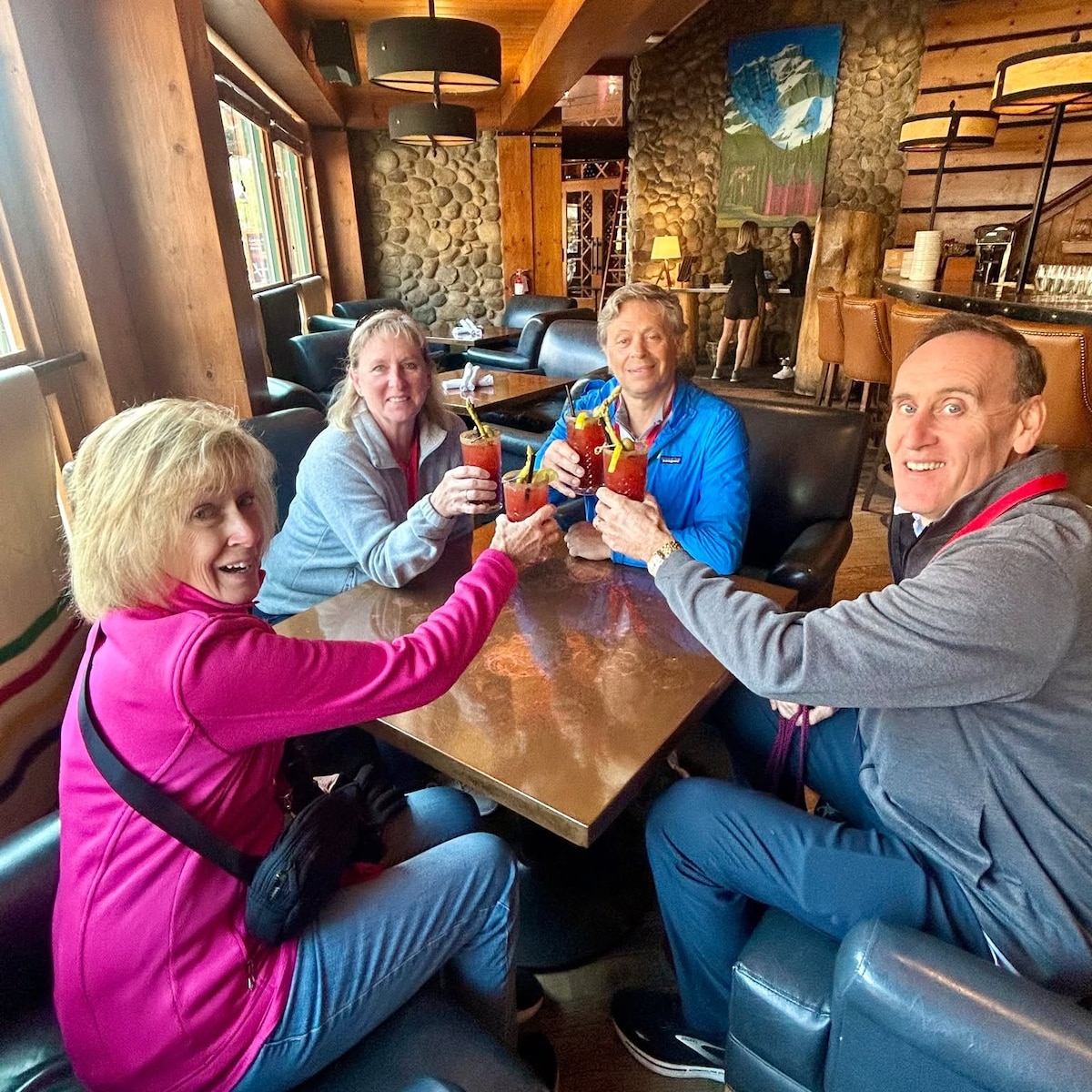
And crucially, people are returning to physical spaces. Café culture is experiencing a renaissance, especially among younger generations. Students and remote workers are rediscovering what our ancestors knew: that there's something irreplaceable about working alongside others in a shared physical space. Community-run spaces are emerging — modern interpretations of the coffeehouse model that combine caffeine with intentional social programming, themed events, and collaborative workspaces. Local cafés in places like Bellingham, Washington report that customers arrive like clockwork each morning, that the space has become central to their daily routine and sense of belonging.
Research backs this up. A study found that people working in environments with the ambient noise level typical of a bustling coffee shop (around seventy decibels) actually scored higher on cognitive tests than those working in silence. It's not just about productivity. It's about presence. Being around other humans, even without directly interacting, fulfills something fundamental. The barista who remembers your name. The regular who always sits in the same corner. The stranger reading your favorite book. These small moments of recognition and possibility make us feel less alone in ways that thousands of Instagram followers never can.
Some communities are showing what renewal looks like on a larger scale. Virginia Beach has invested in walkable parks and small-scale cafés. Utah has committed to human-scale main streets. These modest interventions have produced more civic participation than any branding campaign or social media strategy could hope to create. They work because humans are tribal creatures who need physical spaces to gather, spaces where we can see and be seen, where spontaneous conversations can spark unexpected connections.
The irony is delicious. We spent the last fifteen years convinced that technology would liberate us from the constraints of physical space. We could work from anywhere, socialize with anyone, access any information instantly. And we've discovered that this borderless digital existence leaves us feeling unmoored, disconnected, and profoundly lonely. The loneliness epidemic isn't happening despite our hyperconnectivity — it's happening because of it.
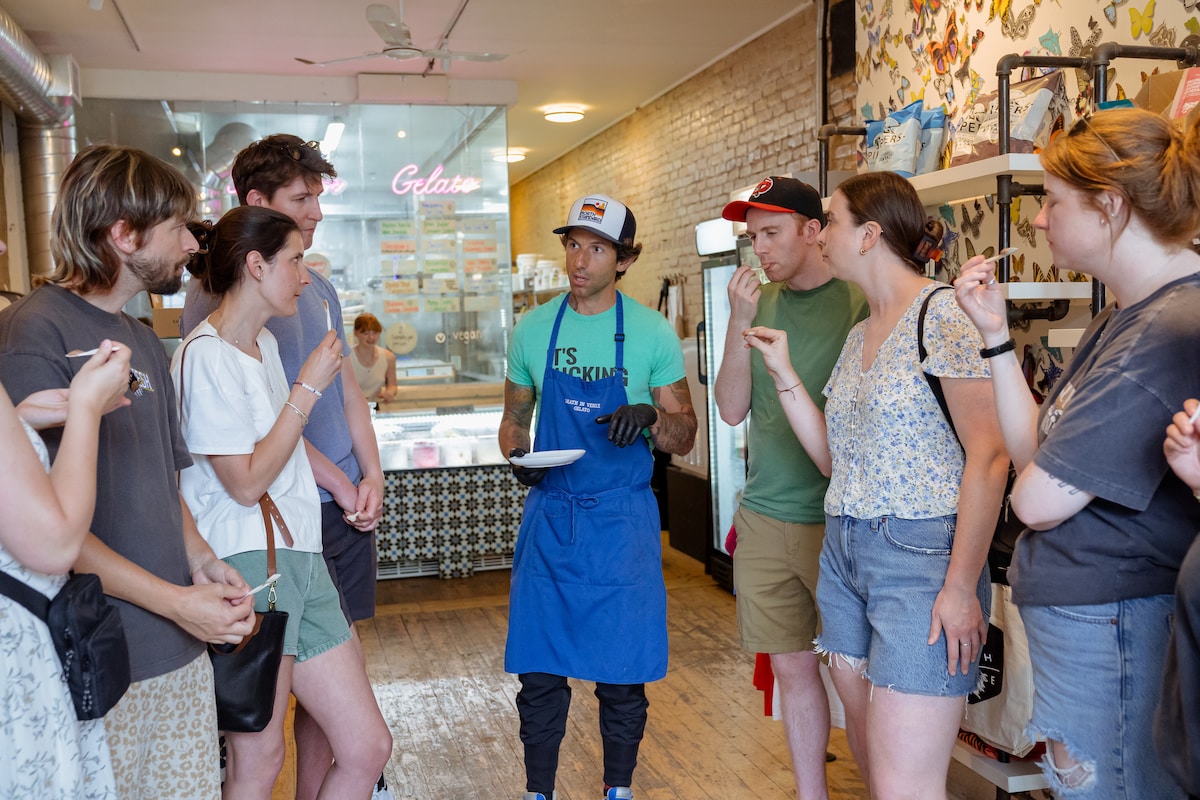
Younger generations are leading the charge back toward physicality. Generation Z, despite being the most digitally native cohort in history, reports the highest rates of loneliness and is increasingly skeptical of social media. They're the ones filling cafés to capacity, organizing in-person watch parties for favorite shows, and championing authenticity over algorithmic perfection. They grew up seeing influencer culture devolve into ads and performance. They came of age during a pandemic that forced isolation. They understand viscerally what's missing. And many of them are hungry for something different.
This doesn't mean social media will disappear. Platforms will adapt, just as they always have. Some are already trying. Weekly release schedules are making a comeback for streaming shows, attempting to recreate appointment viewing and water cooler moments. Platforms are adding features to facilitate group watching and discussion. Instagram and TikTok are labeling AI-generated content in response to user demand for transparency. These are band-aids on a deeper wound, but they signal awareness that something has gone wrong.
The real question is whether we'll see a cultural tipping point — a moment when enough people opt out of algorithmic feeds and into intentional community spaces that it transforms how we think about connection itself. Will we look back on the social media era the way we now look back on broadcast television: as a specific historical moment that shaped culture but eventually gave way to something else?
History suggests we might. Every major shift in how humans gather and communicate has eventually reached saturation, sparked a backlash, and been replaced by something that addresses the previous model's failures. Print gave way to radio, radio to television, television to cable, cable to streaming, each transition driven by people seeking what the old system couldn't provide.
But here's what's different this time: the replacement might not be another technology. It might be a return to fundamentals. Coffee shops. Community halls. Book clubs. Running groups. Weekly gatherings where you show up not because an algorithm suggests it but because you know the people there, because it's Tuesday and that's when your people meet, because the ritual matters.
These spaces have always been where culture happens, where revolutions brew, where lonely people become communities. From the eighteenth-century coffeehouses that sparked the Enlightenment to the Parisian cafés that sheltered resistance fighters to the neighborhood bars that anchored working-class solidarity, physical gathering spaces have been the scaffolding of society. Social media tried to digitize that magic and discovered that some things can't be replicated in bits and bytes.
The human need for genuine connection, for being truly seen and known, for the possibility of serendipitous encounter — these remain constants. The cafés of the 1850s served this need. The community halls of the 1940s served it. The water cooler conversations of the 1990s served it. Social media promised to serve it but ultimately couldn't, constrained by business models that profit from our engagement rather than our wellbeing.
So yes, we might be witnessing the beginning of a shift. Not the death of digital connection, but its rebalancing. A recognition that algorithms can't replace presence, that virality isn't the same as visibility, that being known by five hundred acquaintances online pales compared to being truly known by five friends who show up when it matters.
The revolution won't be televised. It won't be live-streamed. It might not even be particularly photogenic. It will happen in small moments: the decision to close the laptop and walk to a café. The choice to join a local book club instead of a Facebook group. The realization that the most meaningful conversation you had all week happened with a stranger at a farmers market, not in a comment thread.

We're not going back to the past. We can't, and we wouldn't want to. Those old gathering spaces had their own exclusions and limitations. But we might be going forward to something that remembers what those spaces got right: that humans need places to gather, faces to recognize, stories to share in real time with people who can look us in the eye and truly see us.
The algorithms will still be there. The feeds will keep flowing. But increasingly, people are looking up from their screens and asking: What if I went somewhere instead? What if I showed up? What if the next great idea, the next friendship, the next movement isn't waiting in my notifications but in that café down the street, in the faces of people I haven't met yet, in the possibility of a real conversation that matters?
That's not nostalgia. That's necessity. And it might just be the beginning of something extraordinary.
